
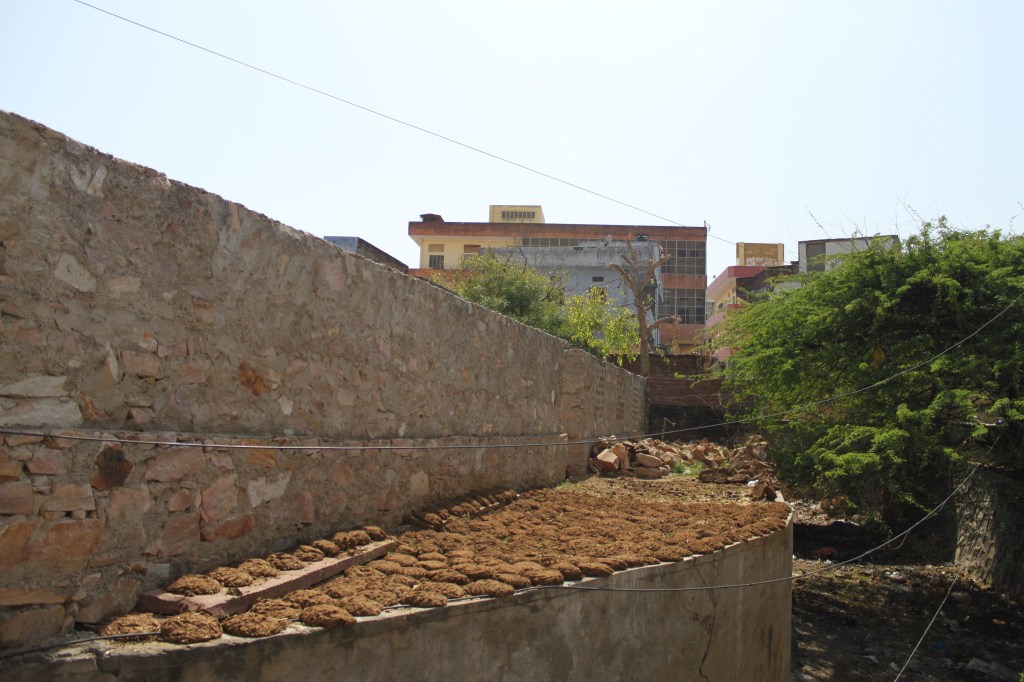
If you own a cow in India, you own the world, full stop. You can plonk yourself in any(one’s) territory without the fear of being objected to. Not only will the animal receive treats and tilaks but you, as the owner, will receive chay in exchange for bringing it in daily in order to put the green waste to good use. You wait, gloating at the fools. You wait until your brothers* start joining with their cattle. Residents are happy that they have cows, not dogs. It saves them the temple journeys. They can carry out the prayers right there, feed their ‘dead’ in their courtyard without wasting money on the brahmins with big appetite for their food and rupya.
*Brothers are the other men of your community.
Selling milk is the occupation of your entire community. The sight of you and your flock gathered outside other people’s properties will slowly seem normal. It will be gradual to be noticed, until it is too late. Then, it really is too late. Now you want your cowistan right there. And you get it.
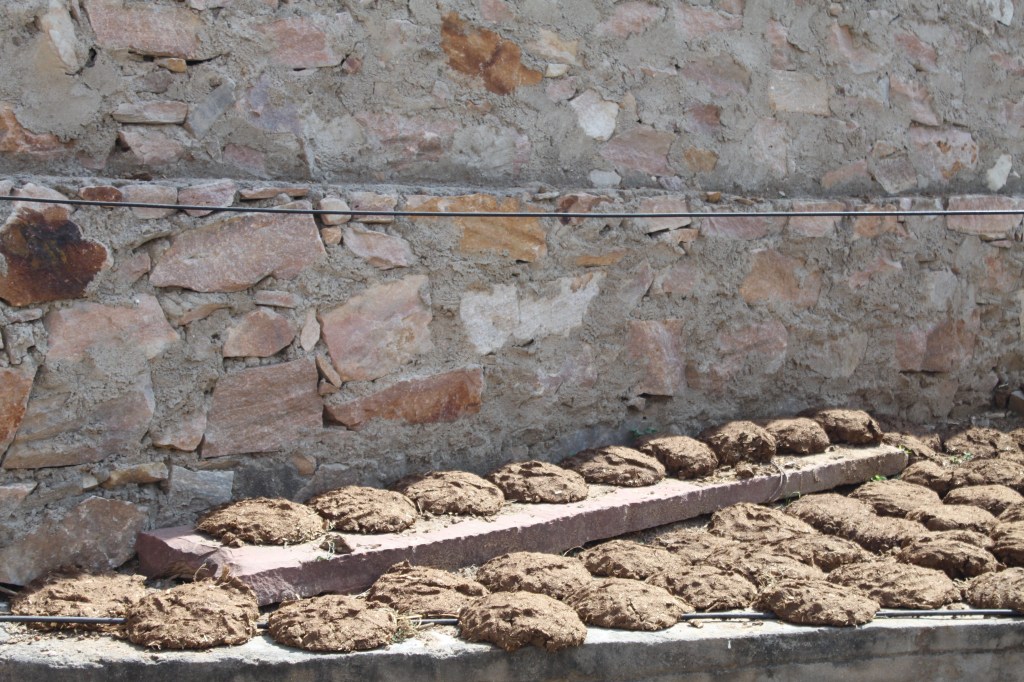
Even before your homes are built, the cowpats are drying everywhere. They bring extra income after milk. Neighbourhood is now dependent on you. They will be lost without the convenience of fresh milk, manure, fuel, building material, green disposal facility, and the ‘temple’. A symbiotic relationship is now formed.
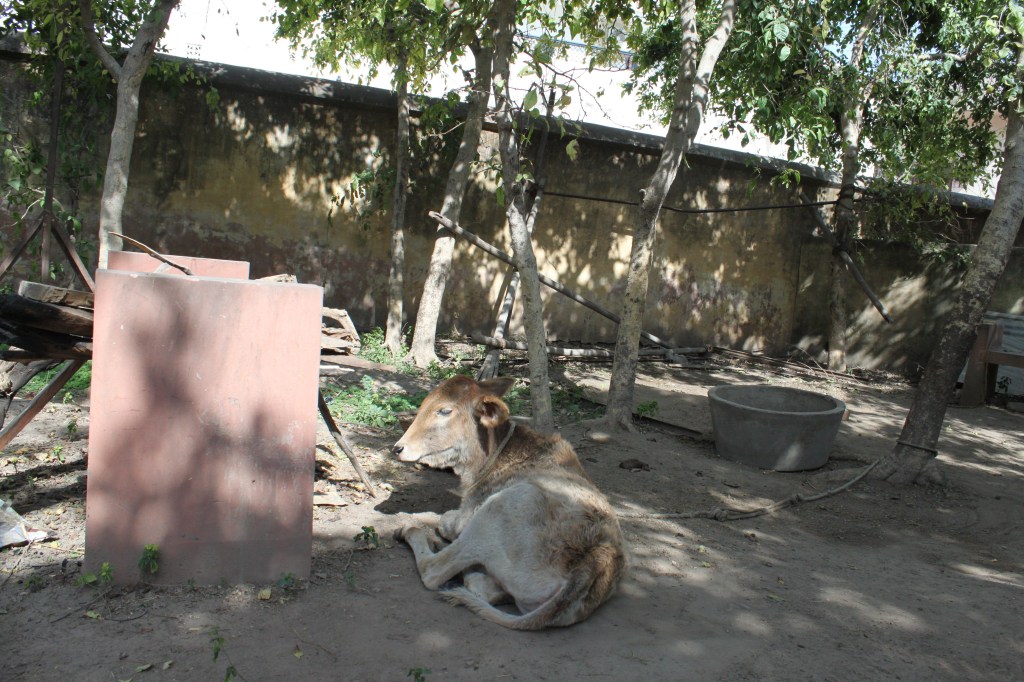
An aunt of mine lived next to a gaushala in Khar West, Bombay. Gaushala is a concept very different to cowistan‘s. It is a charitable institution for cows. There will be volunteers, and the charity will depend on donations. Aplenty donations in the country where cow is revered. In some cases, people will actually ‘donate’ a cow, which will mean donating the amount that can buy a healthy adult cow, always a female. No one wants to donate a bull. It has no milk, so not so holy.
I got accustomed to the rural smell in her urban apartment. Loved it, in fact. After being there for decades, it closed down to make way for a huge hospital building with state-of-the-art facilities. Many lives will be saved, but many hearts are broken, including mine. I miss the cows and their smell. Gaushala cows are not as bright as cowistan cows. They don’t know how to claim the real estate.
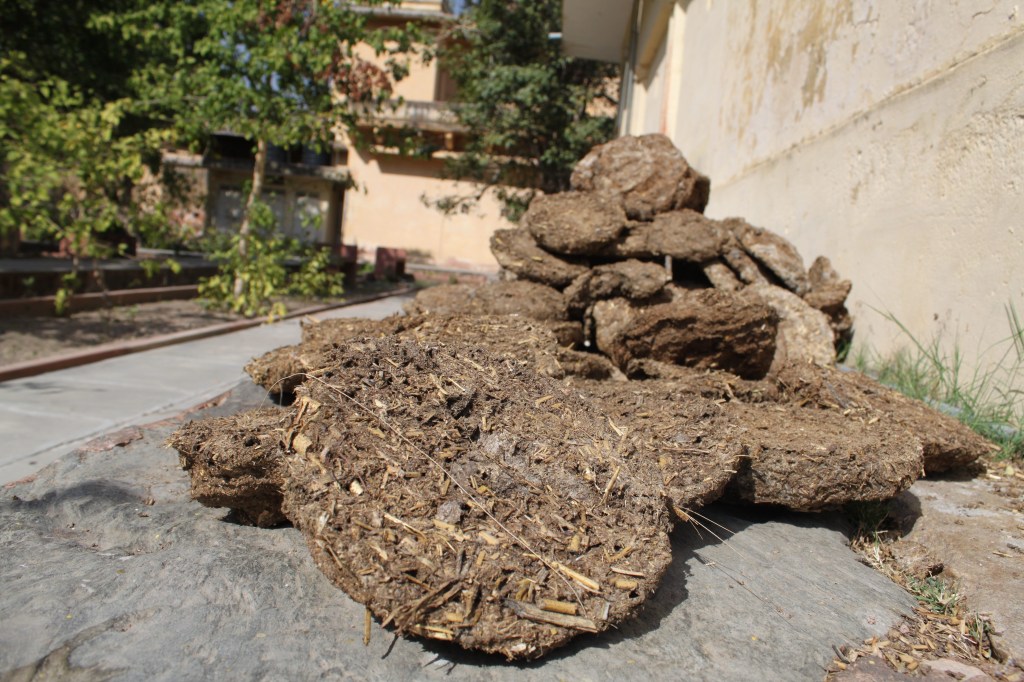
I have lovingly handled cow dung – during my aunt’s chulha building and then when making cow dung rings for the Holika Dahan. It did enter my nails, even dried up in them, and I most definitely consumed the holy matter with my regular dal roti. It’s edible, so no worries. No one warned me against it. Not that anyone encouraged either, but there was never any cautionary lesson prior to the job.
Coming back to your cowistan… Wow, you now have several pucca homes with Enfield motorcycles – the Indian Harley Davidson. You still wear a dhoti, still sell milk, but you do it in style, on your heavy-duty bike. You even herd your cows sitting on your bike. You are the Indian cowboy – horsepower without a horse.
Your women are strong and sexy. Right in the middle of a busy road, they walk swaying excessively like they own it. Claiming gene.
Residents start to gradually sell their properties. You are the buyer majority of the time. You’ve acquired wealth by selling milk, plus minimal overheads. Your homes are in affluent neighbourhood. You are already a millionaire. The earlier residents’ properties are going cheap. No one except you will touch a property in a “milking” neighbourhood. You and your people are set. The cows are here to stay for good. Your sons can relocate to a new cowistan.
I love milk and the smell of the manure. I am not selling my property. Tough.
 People | Life
Love this piece!
LikeLike
Thank you so much for reading and commenting on my post. I hope you continue to enjoy my future work. I’m going to try my best to keep you entertained.
LikeLike