The Day I Met The Gurjars

Over the years, and even before I declared myself a photographer, I photographed several towns, districts, tribes, people and their homes running along and across the Aravalli mountains. I’ve been driven along the fold mountains ever since I was born, either to reach our ancestral home, or that of our relatives, and now my parents’ and brother’s. In recent years, my brother, Deepak, has driven me around hundreds of miles, through villages and tribal areas that made for a fascinating experience. Because of his extensive travel experience and knowledge of the areas and communities, he’s fully familiar with the places I will find interesting, as a photographer. His good connections in the land have proven useful too, to get access to no-go zones. People who would normally not entertain you, happily welcome you, because there is a common language and understanding once we have had a chance to connect.

This day was one such experience. We drove far from Jaipur and reached a town habited by the Gurjars (aka Gujjars). There was a tense environment upon approach. Gurjars have been, until recently, a lot in the news because of rioting, killings, disruption. They are a feared tribe of the North. Their men are tall, physically strong, fierce and rough in approach, proud but with a patriarchal mindset. They are known for charging before speaking. They own swords and carry knives hidden in their clothing. That’s what I’m told. Basically speaking, you cannot afford to be a gurjar’s enemy in those regions. I sort of worried thinking what might happen. They had rioted on the highway only a few days before we went there.
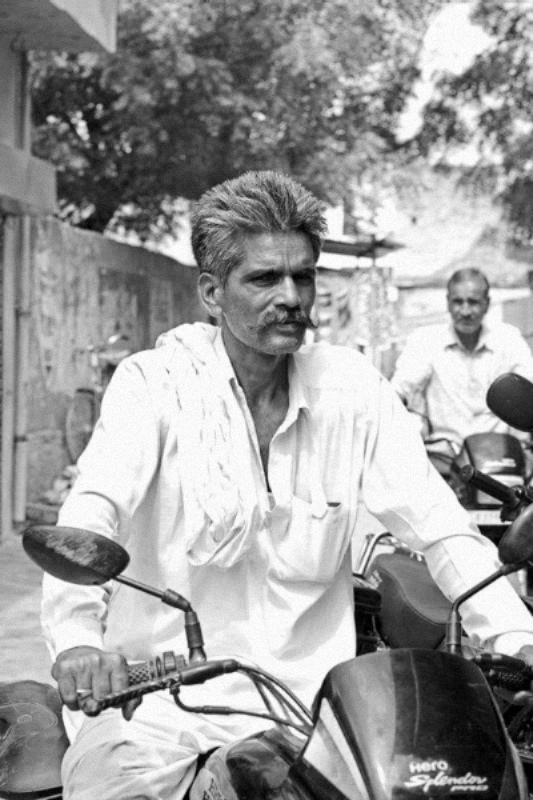
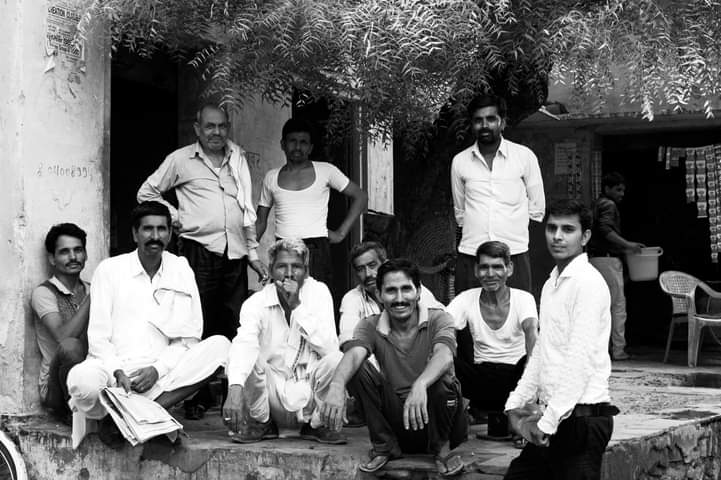
So, here we were, myself and Deepak, entering this village. We got off at the square where many heavy-built men with sun-kissed ruggedness and long moustaches were seated on their Enfields and Hero Hondas, or on a raised chabutara. Two of them got up with their sticks to enquire the purpose of our visit. Deepak got out of the car to speak to them. After a few minutes, he returned and asked me to step out of the car and enter the village. “No holds barred. You have a free rein,” he says. That I can do what I like, enter any home I like, speak to any man, woman, child, elderly, take photos of their homes, people and cattle. This came as a blessing for me.
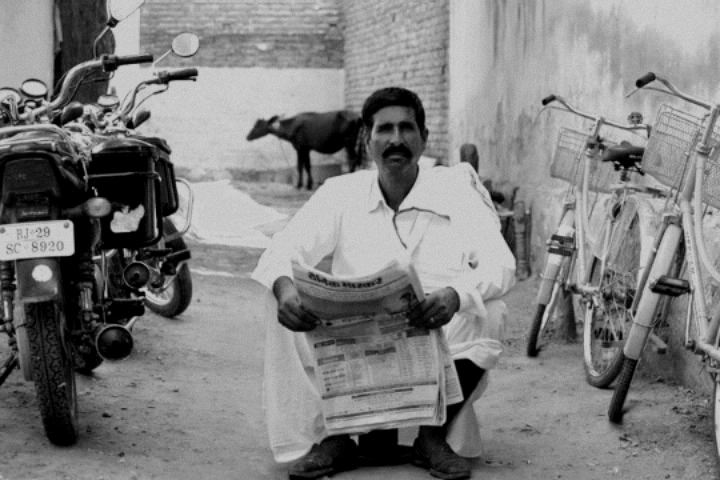
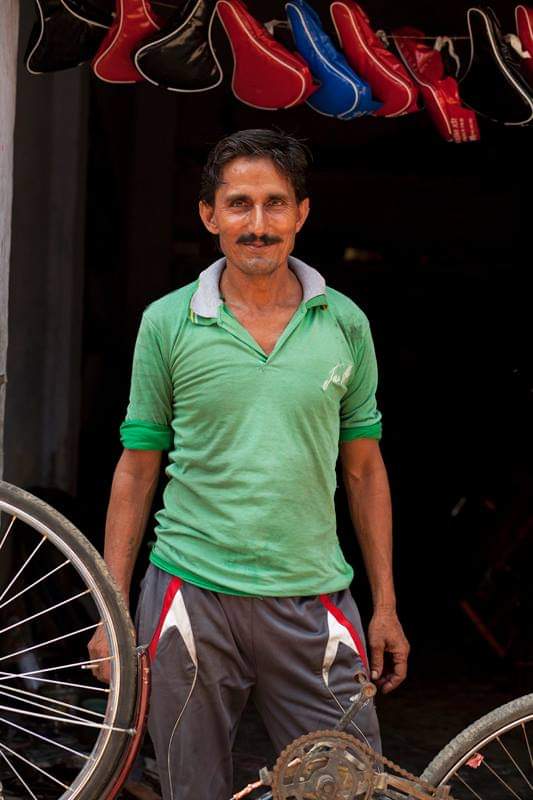
They did, though, kept asking in various ways if I was a journalist. It took me three hours to convince them fully that I was one of them, a Rajasthani, and not there to cause any trouble. That the photographs were for personal use, not commissioned by any publication, that what they share with me will remain with me. No one will find out. I had no qualms about sharing my details with them, just to put their minds at rest. I spent the day chatting with and photographing the tough guys as Deepak patiently waited at the square with the even tougher ones. One sweet young fellow in green, with green eyes too, invited me to his cycle shop. If he’d ever walked on London or LA streets, people would have mistaken him for Kirk Douglas. By god, that resemblance was uncanny.
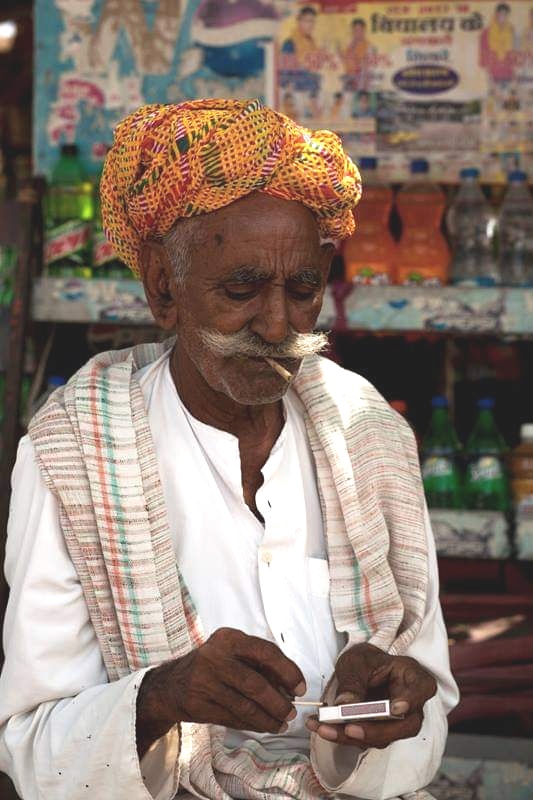
The toughest nut to crack was the head of the Gurjars. The old man, who Deepak addressed as tau. They had met a few times before, as Deepak had passed through the town a number of times, but never had he sought permission to allow a stranger (me) into their lives. It was the first. Once cracked, tau took me to a few homes himself. Nobody could turn him away. That’s the kind of authority he wielded among the village folk. Deepak waved at me and said, “Now that he’s happy with you, you are set.” I was actually set. That’s when I got to mingle with the toughest lot. The stories they shared will remain with me forever. They got their women to offer us tea and snacks. They preferred I didn’t share photos of their women, but allowed me to photograph them. I appreciate and respect their trust in me.
It was the most gratifying journey, thanks to Deepak who made it all possible for me. Thanks to the Gurjars who welcomed me in their homes and lives, shared stories that changed my perception of them. People might continue to fear them, but they promised me that I can visit anytime I like, give any one of them a call, and they will be there to welcome me.

….. Sapna Dhandh-Sharma

Synchronised Cranes

Kew Bridge

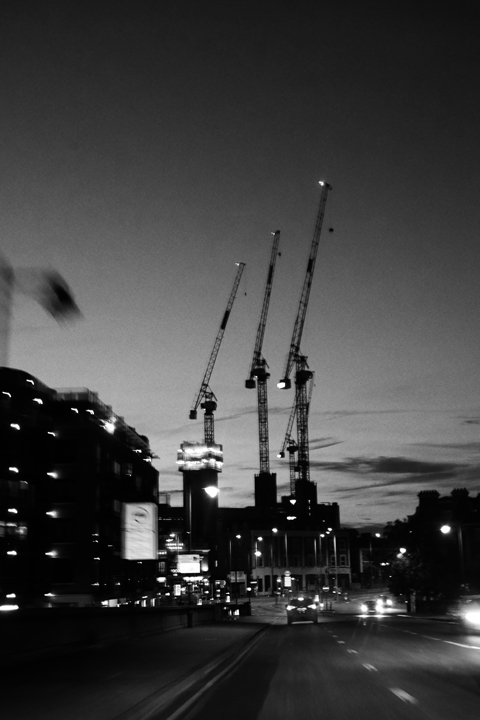
When we talk about landscape photography, we usually would visualise trees, mountains, rivers, gardens, beautiful buildings and so on. Never would an evening’s dull sky with man-made machines spring to mind. Does it not mean that in photographs we seek escapism too?

With this photo, I am using landscape photography as documentary photography. So, I am not trying to escape into a world that is not always so beautiful around us. This is the reality. The ever-changing urban landscape and the ubiquitous machines.

Kew is a beautiful town, and this is the last thing one would expect of Kew from a photographer. That’s right. There will be expectations of colours, sunshine, flowers, trees and such. My photograph, in that sense, is anti-Kew.

This was not a planned photograph. As I often drive on that bridge, I notice cranes on the building sites. This particular evening, as I approached the site, I noticed three silhouettes in a synchronised resting position, with hundreds of lights in the foreground – lights in the buildings, of moving cars, on the tower and billboards, etc. The clouds and the rest were dark. I had to capture the shot, but had to do it from my moving car as one is not allowed to stop the car on the bridge.

Phone camera was the only option. Blurry is what I wanted. Blurry is what I got. Blurry is what looks best.

I think.

I converted it to black and white.

……. Sapna Dhandh-Sharma
The Messiah Must Reside In Such Quietude

Sarkhej Roza, Makarba, Gujarat.

It was an early start. Ahmedabad has changed to an unrecognisable extent. I drove from there through S.G. Highway to Makarba one July morning in 2018 as per the directions given by Bubbles in a cutely sincere manner – two lefts,  then right,  then straight for 2 kms,  then three rights, and so on. It must have been the combination of her accuracy and my ability to grasp that I reached the masjid with sheer ease. The light from the golden torch was making its way to the earth before bribing its way into the roza’s courtyard.

Bhavna Ramrakhiani – Convenor of Ahmedabad Community Foundation

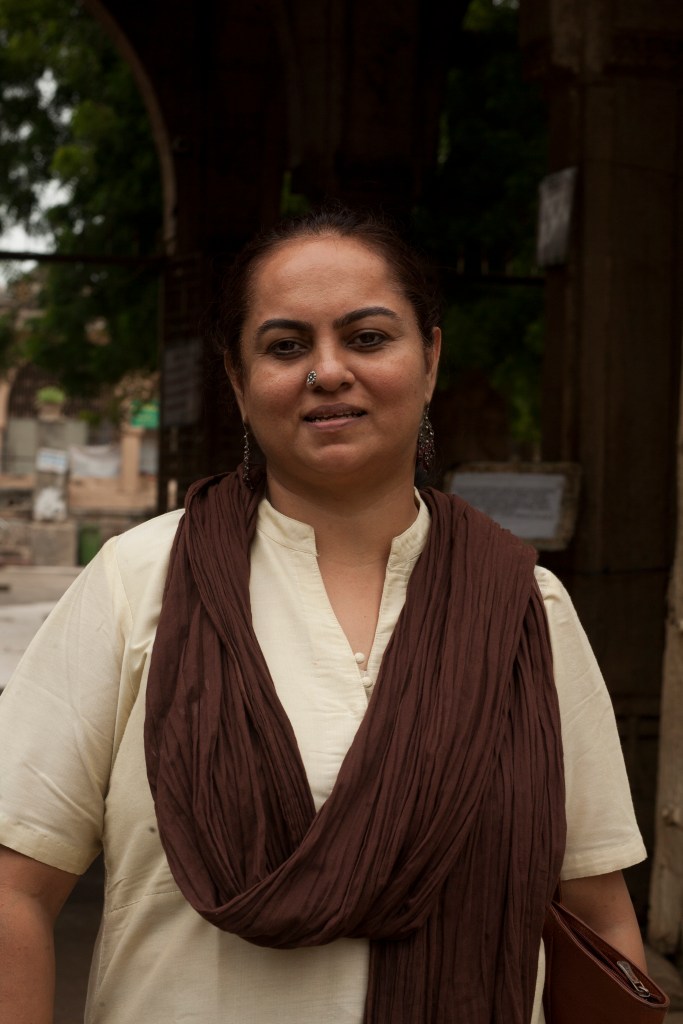
Bhavna stood there to greet me. Oh, what a beautiful face she had. Those eyes!! She instantly came across as a warm person willing to share her knowledge of the place. She spoke a welcome mix of educated English and raw Hindi. We entered the monument, removed our shoes, covered our heads.

Morning scene
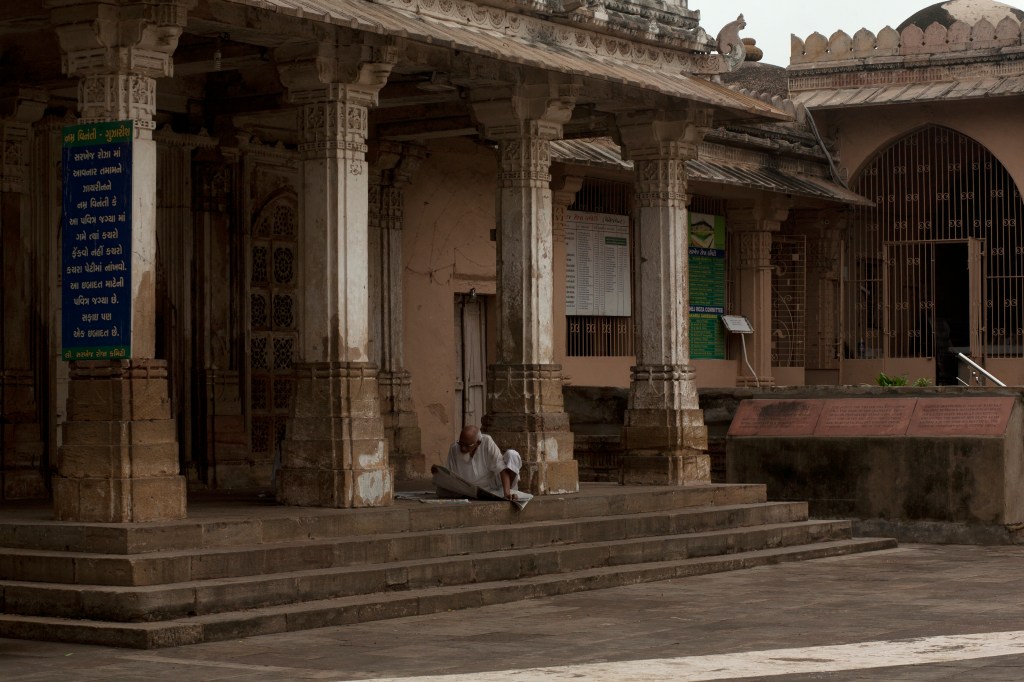
Man reading the morning papers

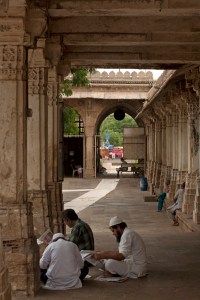
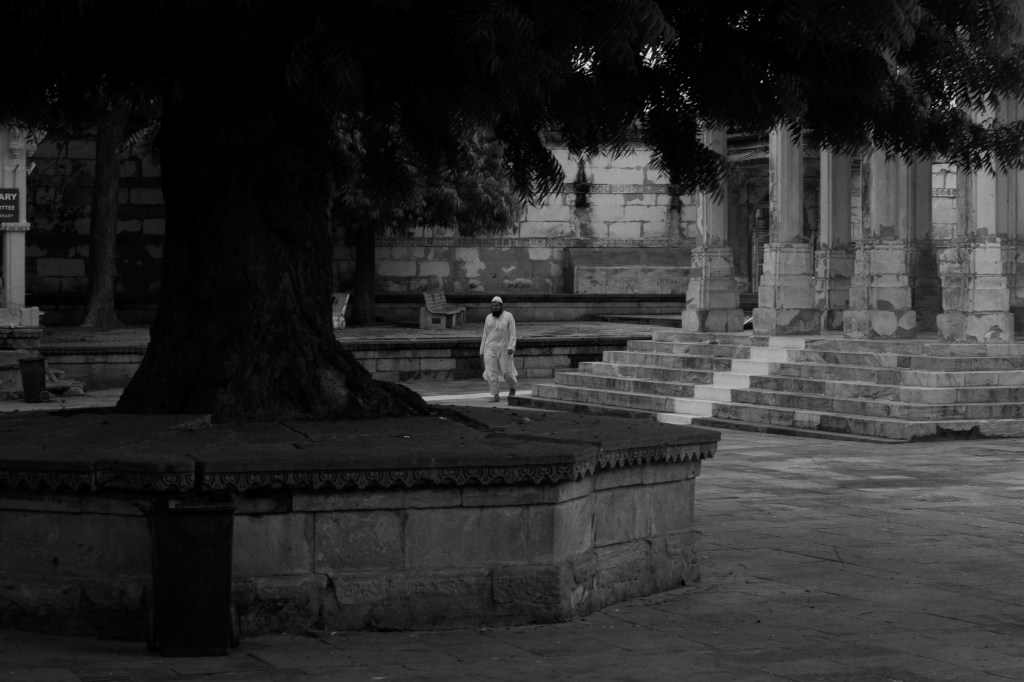
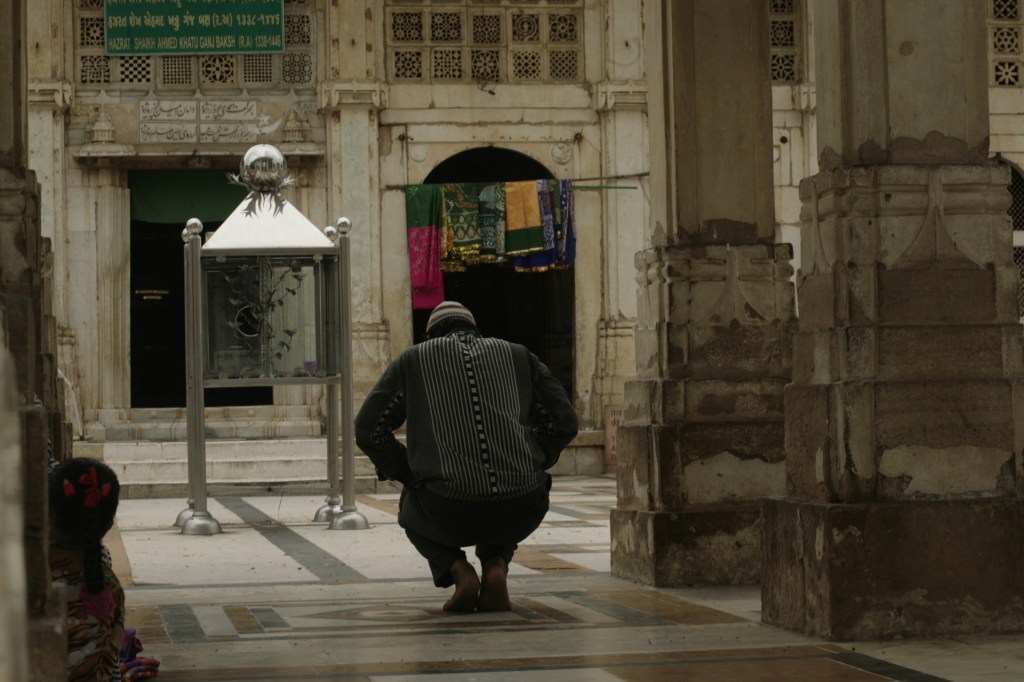
A typical morning scene. Touchingly serene. A few men, unperturbed by my presence, read the morning papers. I felt at home. I kept taking photographs as Bhavna’s soft voice kept singing in my ears. We Indians are spoilt. Our history dates so far back that we casually declare a six centuries old structure as recent. We even neglect it. 

Morning arrivals
Sarkhej Roza

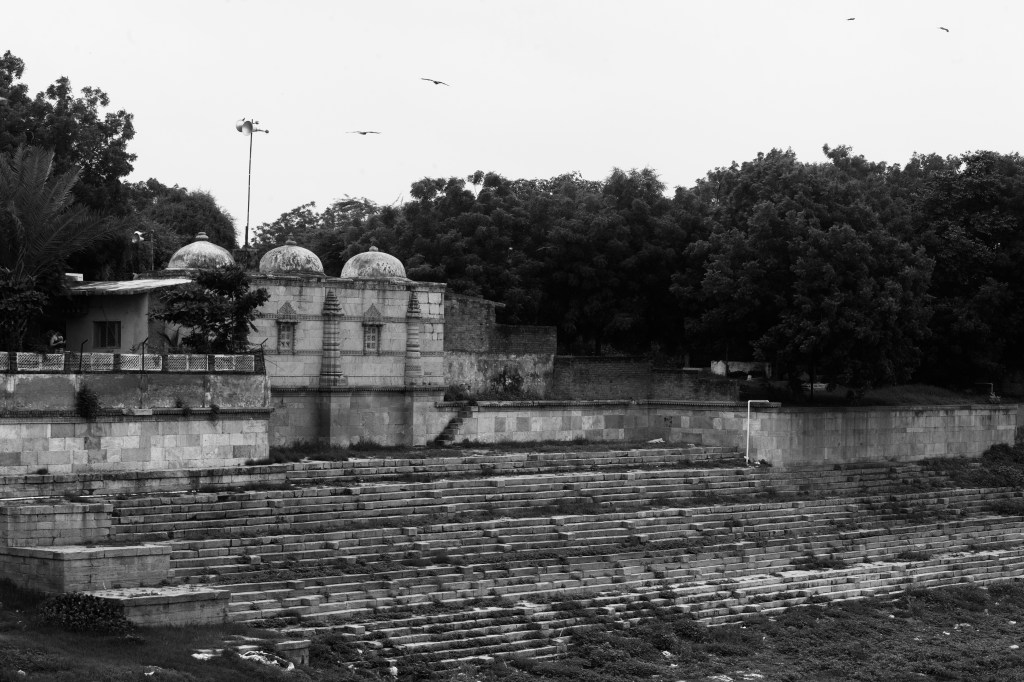
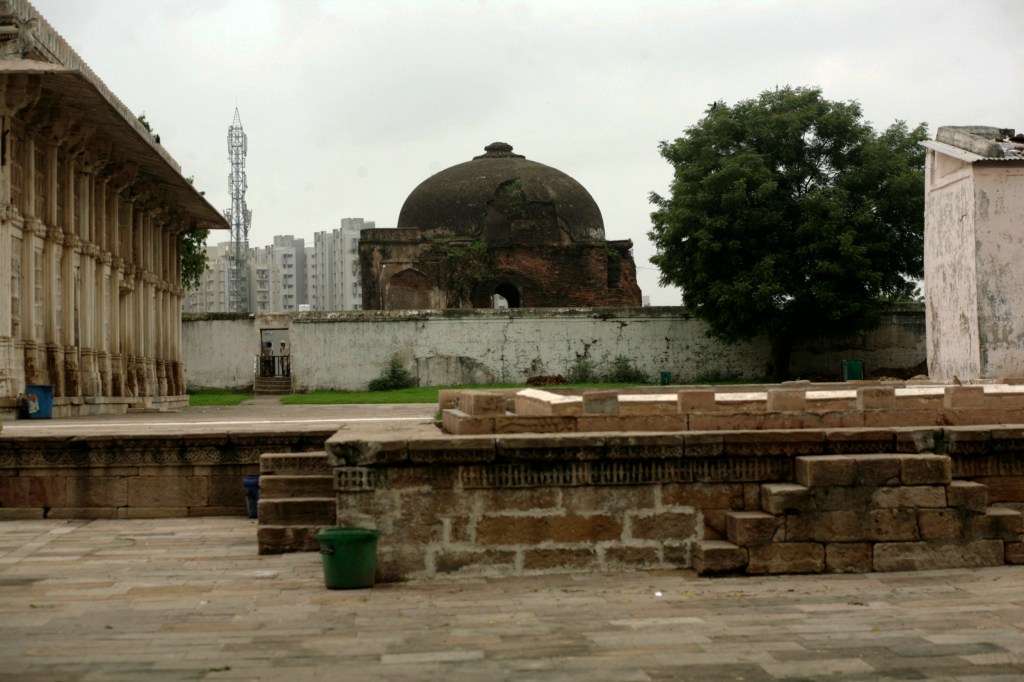
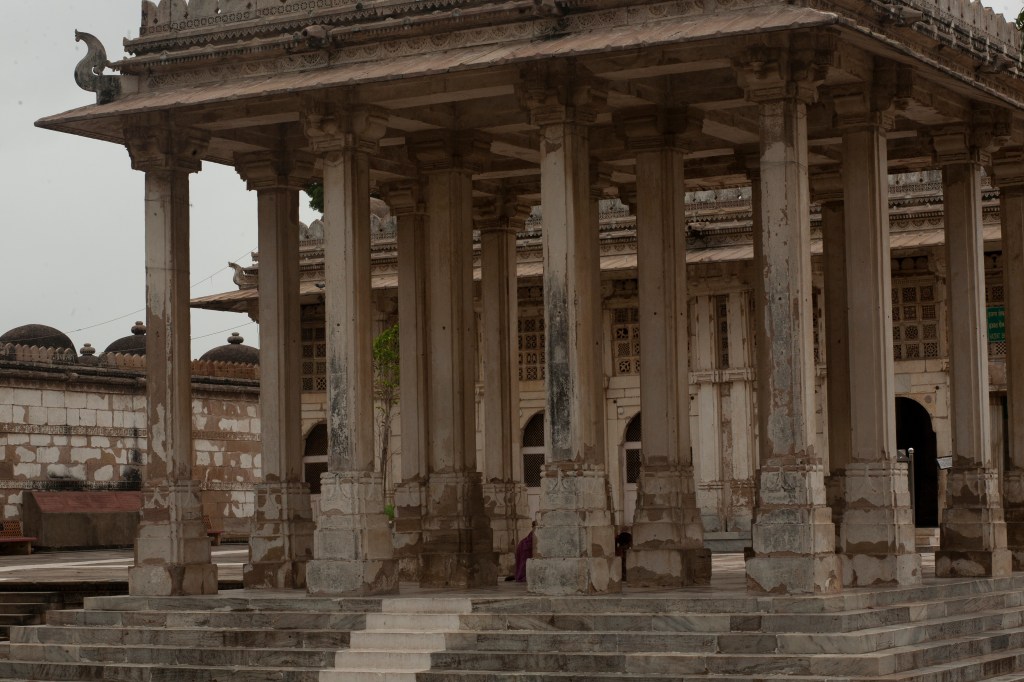
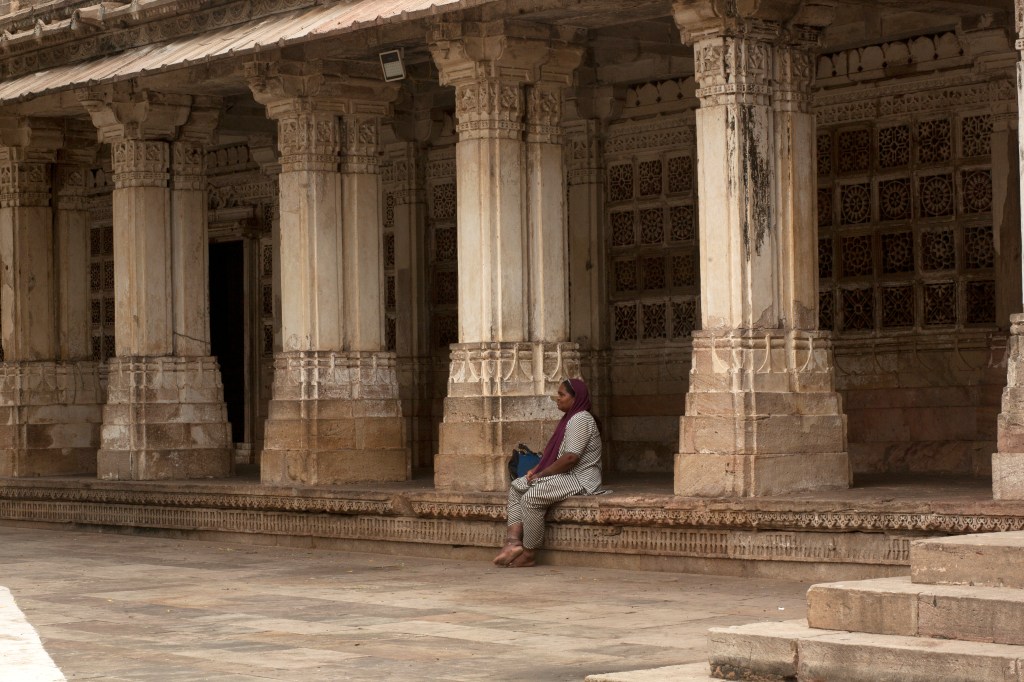
This was Sarkhej Roza, once the home of sufi saint, Ganj Baksh. To one side stood a stone pavilion in a sad state of disrepair and to the other, a courtyard with a masjid and quietly guarded tombs. Several mausoleums, an old well, hundreds of wide steps leading down to a dried tank and the infinite expanse. One part of the mosque, with its tall pillars reminded me of the Acropolis of Athens. It was too much for me to take in on a short morning tour. 

Stone pavilion in state of disrepair
Pillars of the mosque
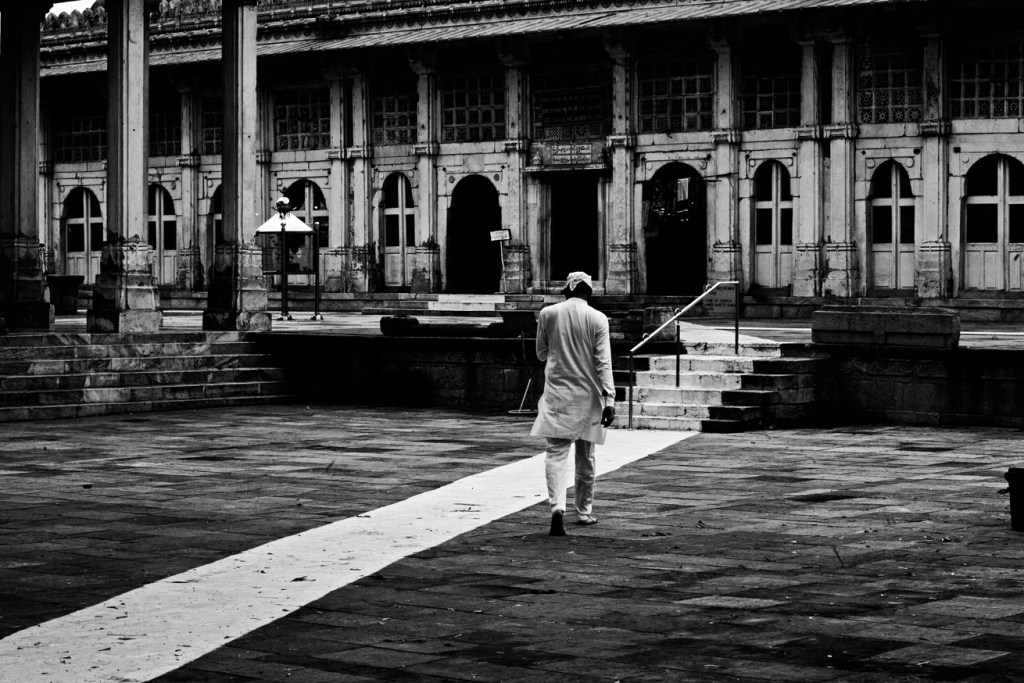
Path to the mosque

Once in a while a person will walk the white-painted path, that led to the masjid, to speak in private to the supreme being. This path was also taken by the Sun to kiss the cheek of the messiah who must most definitely reside in such quietude.

Prayers
Connecting with the messiah
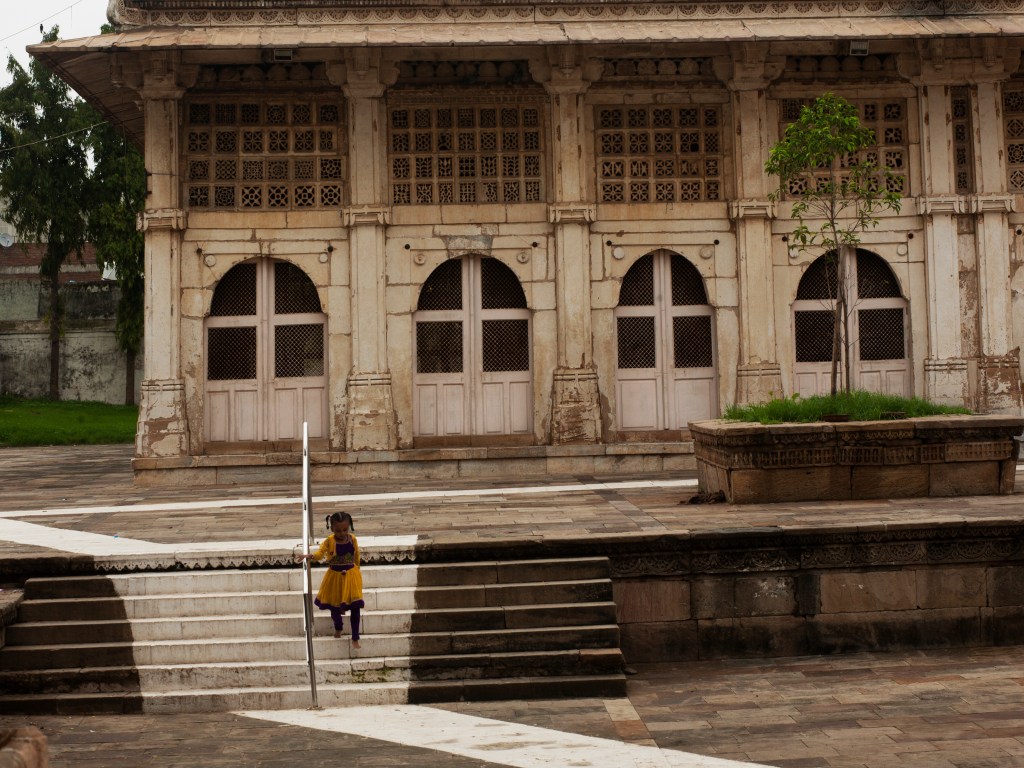
Girl playing
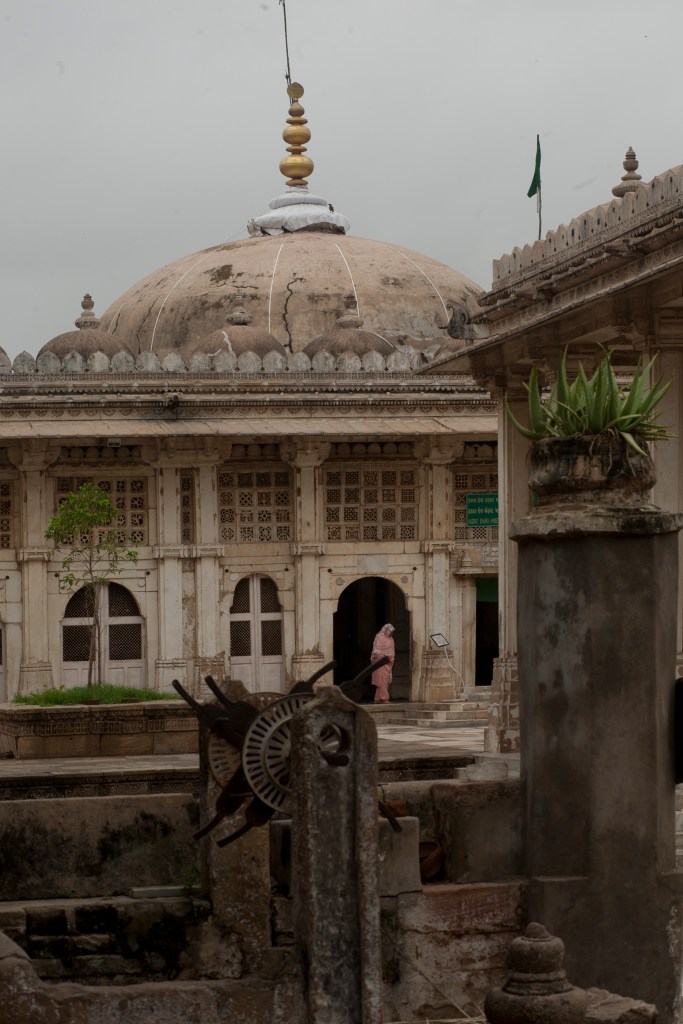
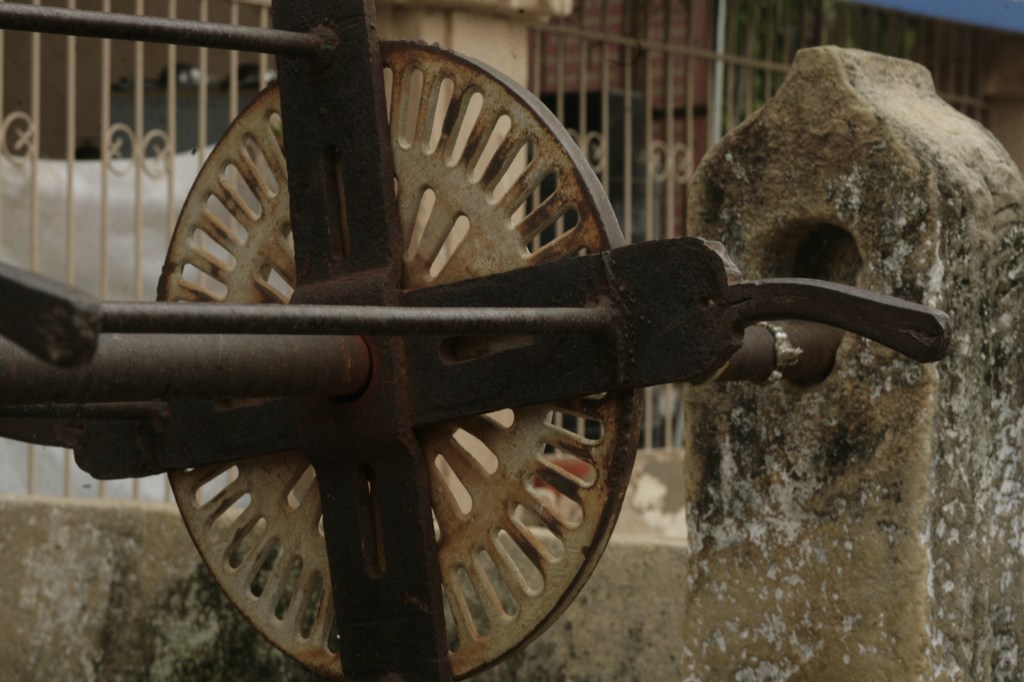
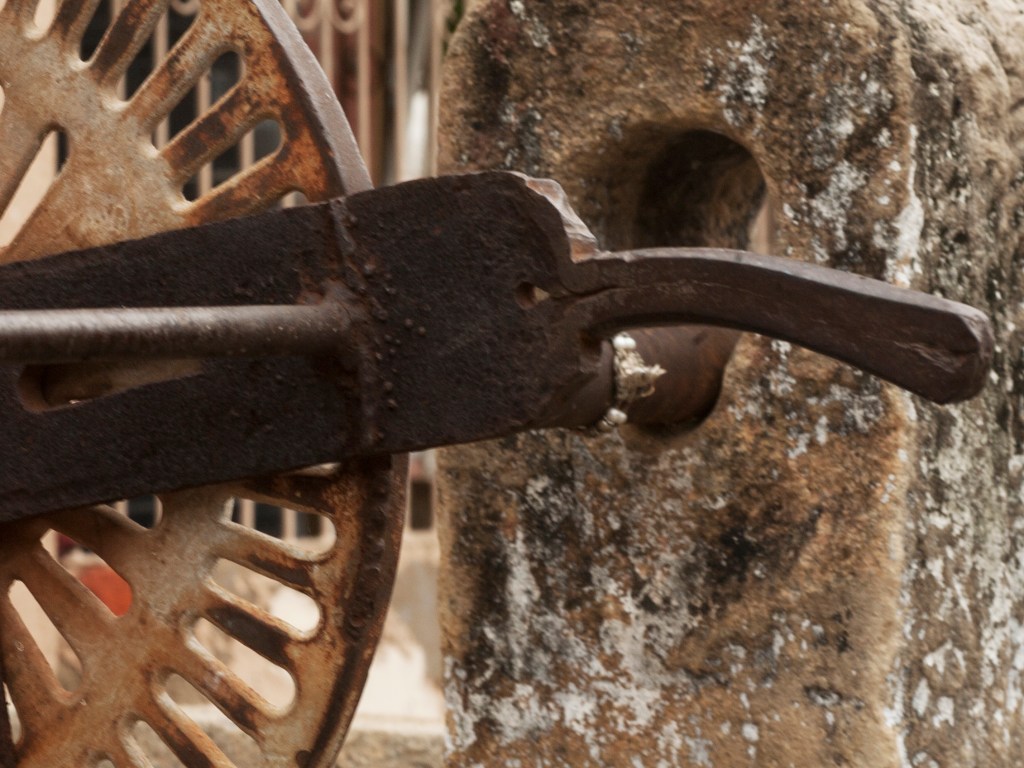
Well-wheel spoke shaped like a bird
Spoke on the wheel of the well resembling a bird

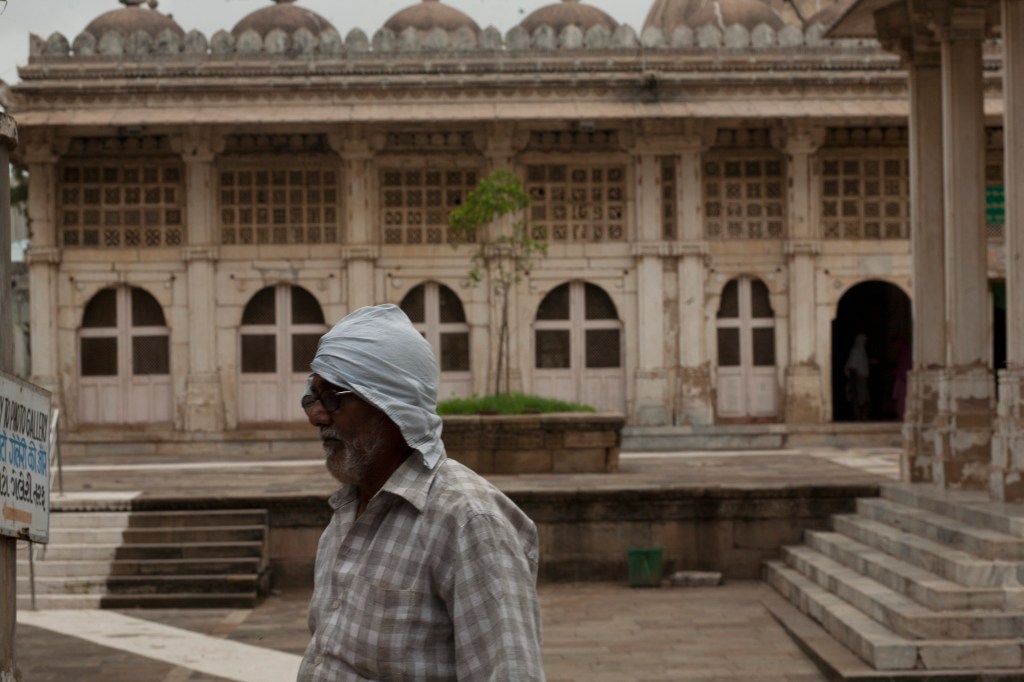
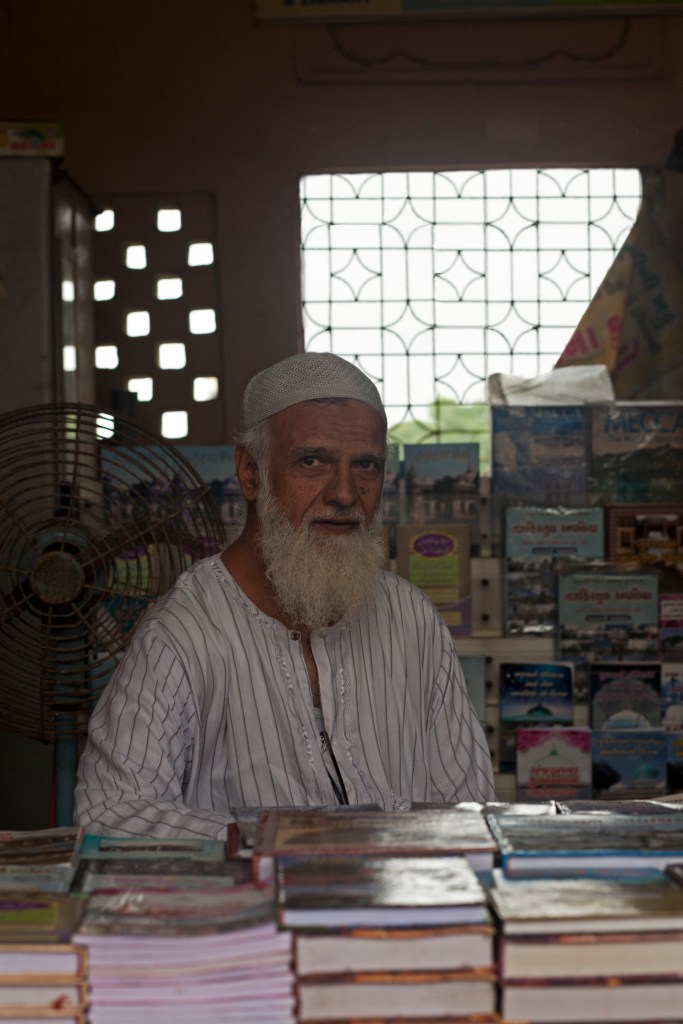
A small girl jumped and skipped on the steps oblivious to all. A spoke of the well-wheel pulley made to resemble an exotic visitor to the Sabarmati River. A cormorant or a spoonbill perhaps. The little bookshop opened early. A few men sat selling to no customers at all. Bhavna enjoyed a nice chat with them. A silvery bearded man in immaculate white clothes and matching taqiyah takes over the shop. “Maybe he’ll sell only one book today,” I thought. I buy one. But he will remain all day no matter what. Dedication. Service. We all can learn.

Men in the book shop, Sarkhej Roza, Gujarat.
The Old Man with silvery beard and immaculate clothes. Sarkhej Roza, Gujarat.

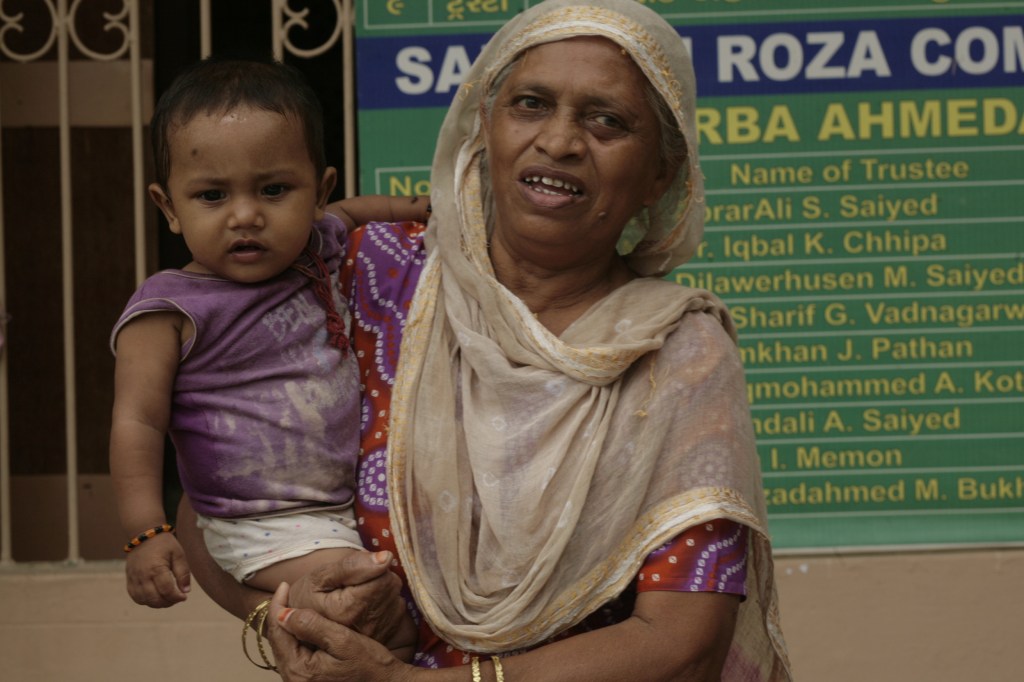
The cleaner, with her younger grandson in her arms, complained about her useless son-in-law. From Bhavna’s story to this – it felt like I had changed the radio station. 

The cleaner with her younger grandson and running commentary

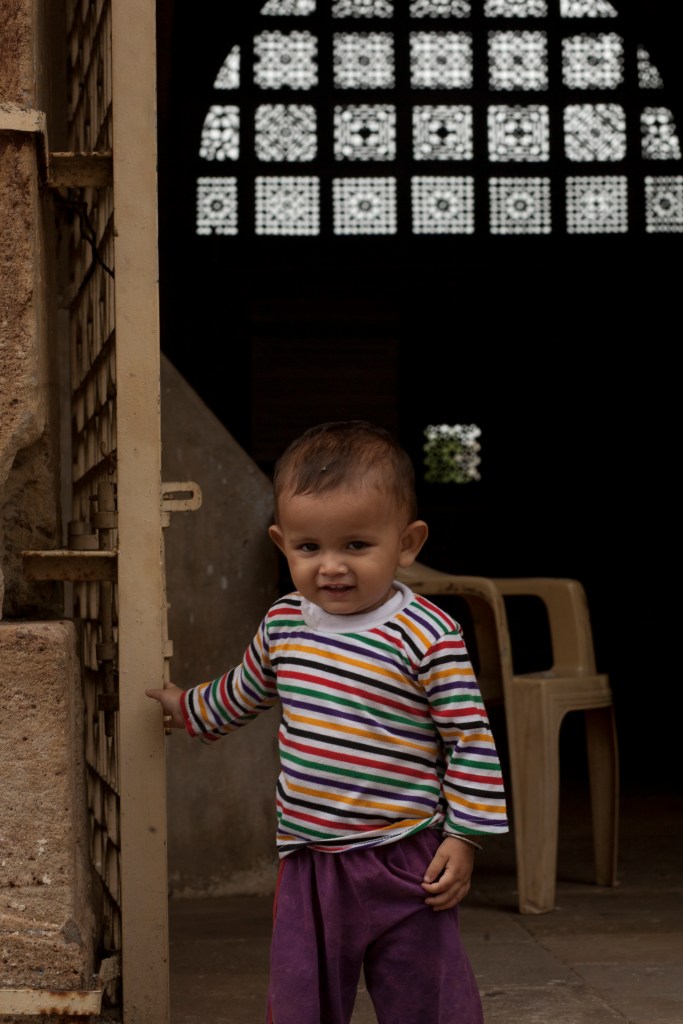
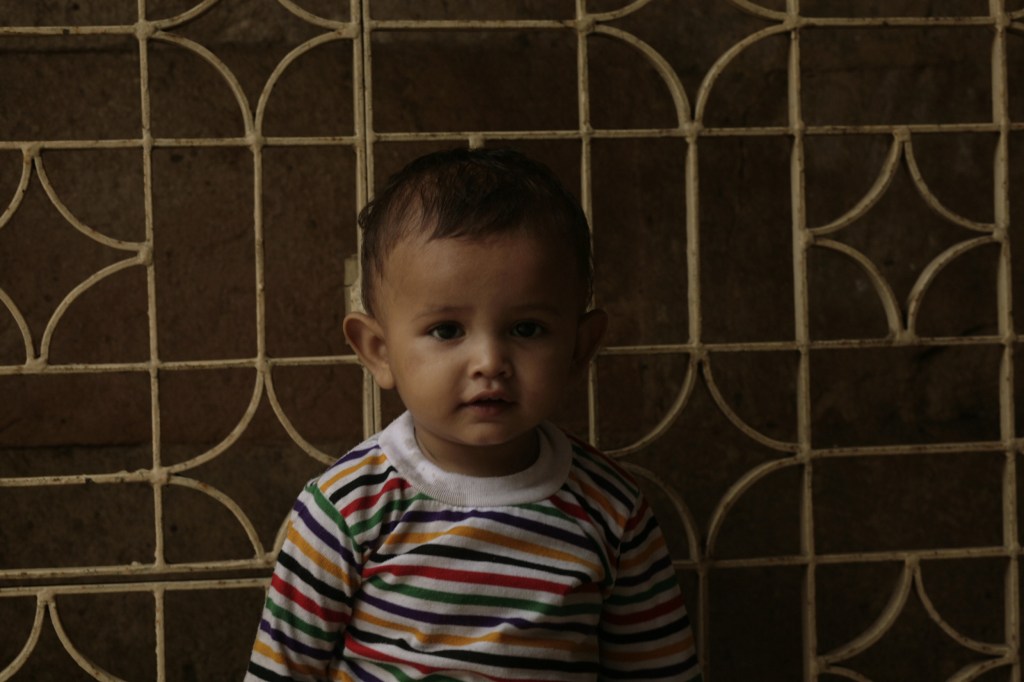
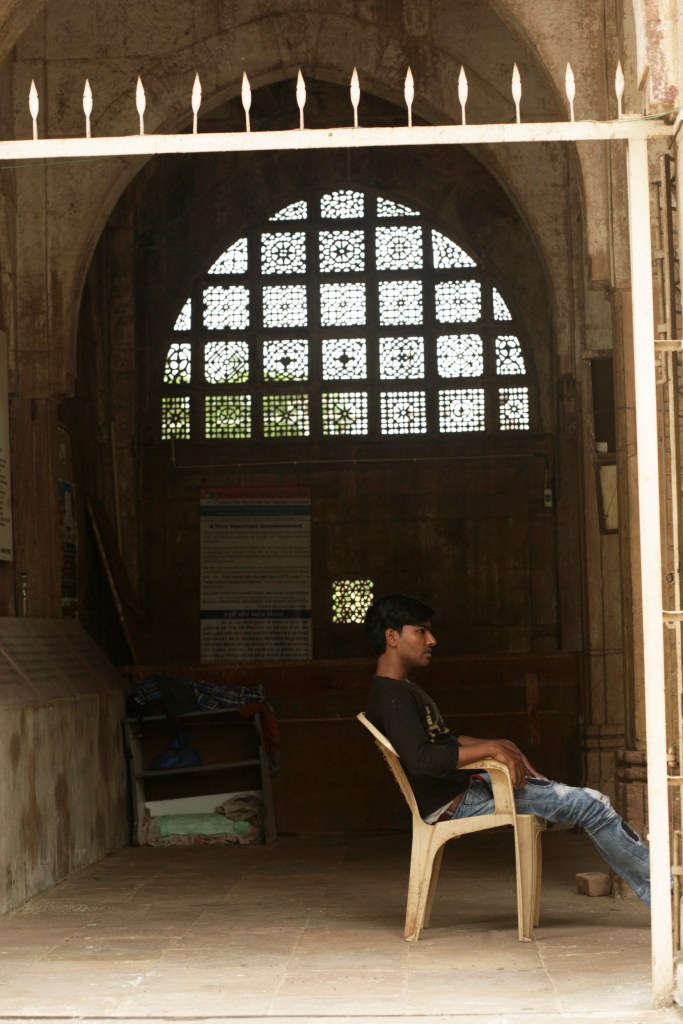
Her elder grandson played near the main gate. His angelic face captivated me so much that I took several photos of him. He kept changing poses. A young man sat on the chair. 
Maybe, that was the accused.

The elder grandson
Angelic face
The accused. Maybe. Maybe not.

My gaze locked on a woman sitting outside the room that housed the tombs. She was not present there. She appeared to be talking to someone. But there was no one. She then laughed, and continued to laugh. Her ankles were swollen. She was a regular I was told. She walked out as aimlessly as she had walked in.

She spoke to the spirits
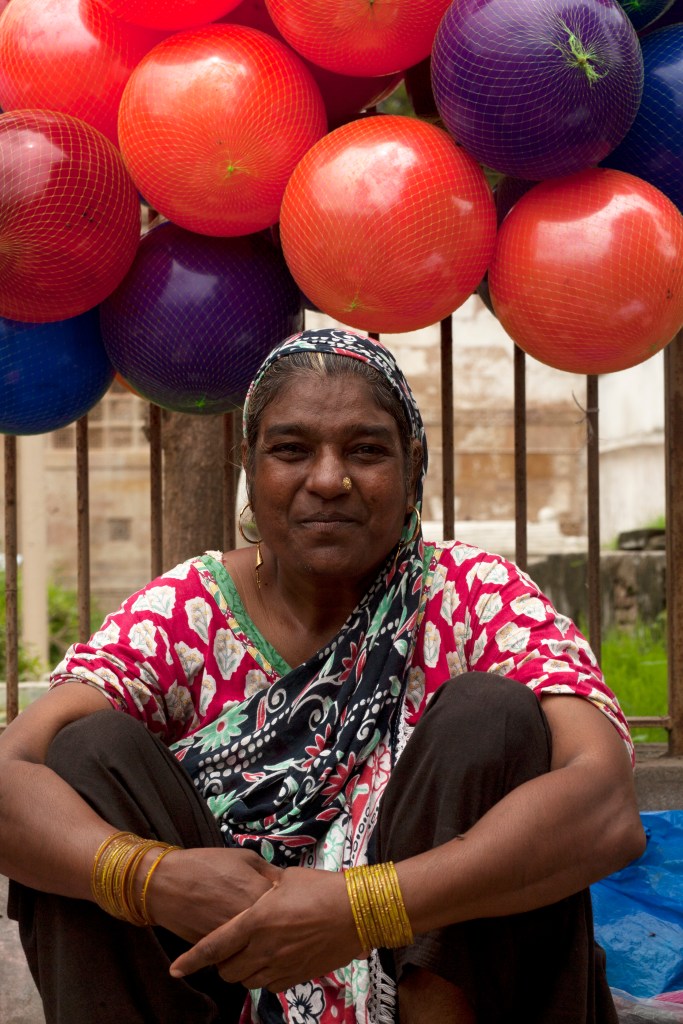
Woman selling balloons

Outside the mosque, another lady sold balloons. “She’s my friend,” announced Bhavna. Where did these people buy such delightful smiles from when they could not even afford a decent meal? How can they afford such precious attributes?

On my drive back to Ahmedabad, and before I hit the highway, I saw the lady who spoke to the spirits. She was on her way to… nowhere.

An Afternoon in Amer

The Gullies
Amer, Jaipur, Rajasthan, India

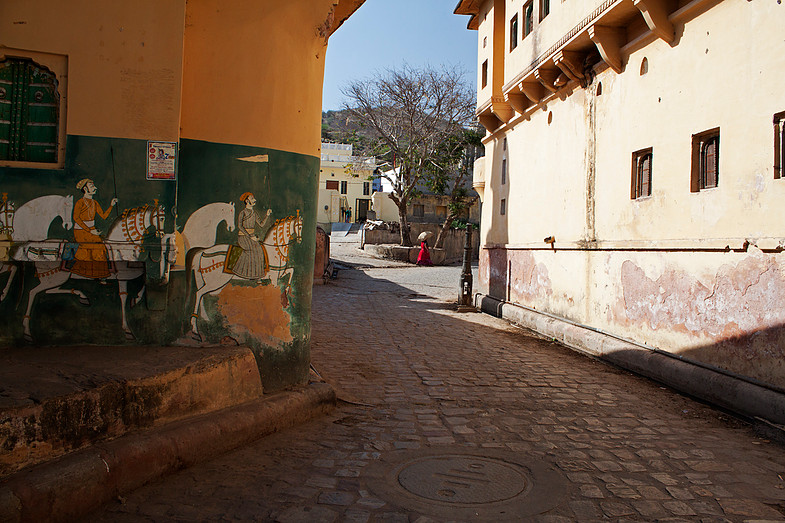
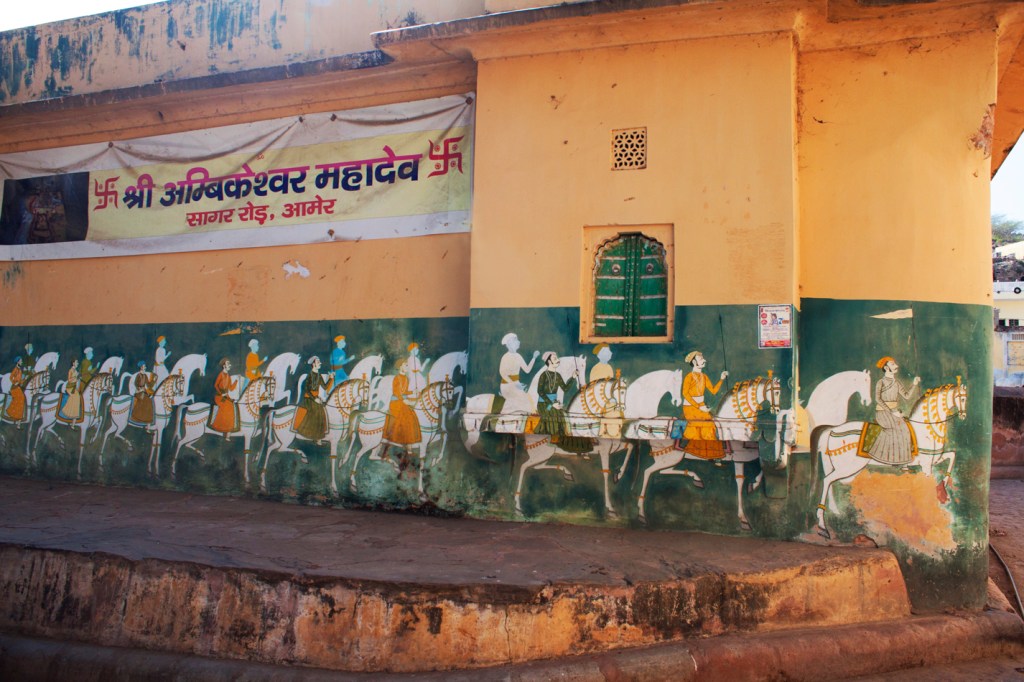
Apart from the great many tourists flocking to the grand fortress of Amer, where the maximum activity is noticed, the town of Amer remains unchanged since at least my childhood days. I cannot imagine it being any different a century ago, or even two or three centuries ago for that matter. The 17th century muralled walls of the many temples, the Panna Meena Kund, the bazaars, and the shops tucked into the small pockets of the fort’s base, remain untouched and neglected. As a result, many sandstone structures have fallen into a state of grave disrepair. But, the raw beauty prevails.

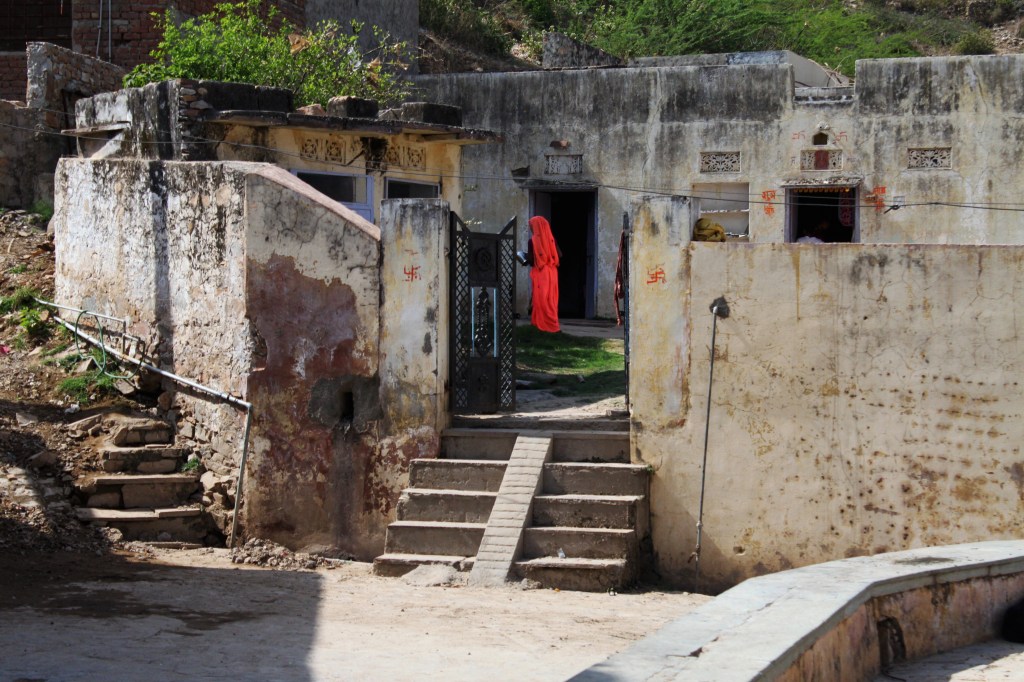
Murals and Swastikas on the outside of a temple wall.
Amer, Jaipur, Rajasthan, India

I hail from Rajasthan, and the areas around Aravalli Mountains (the oldest range of fold mountains in India) have been frequented by me since I was a child. I grew up knowing the region, its people, language and the customs. The women’s attires were always ‘very’ colourful, with one neon-orange found aplenty, the men wore the same multi-coloured turbans as they did now, and the kids played with marble balls on sandy tracks even then.

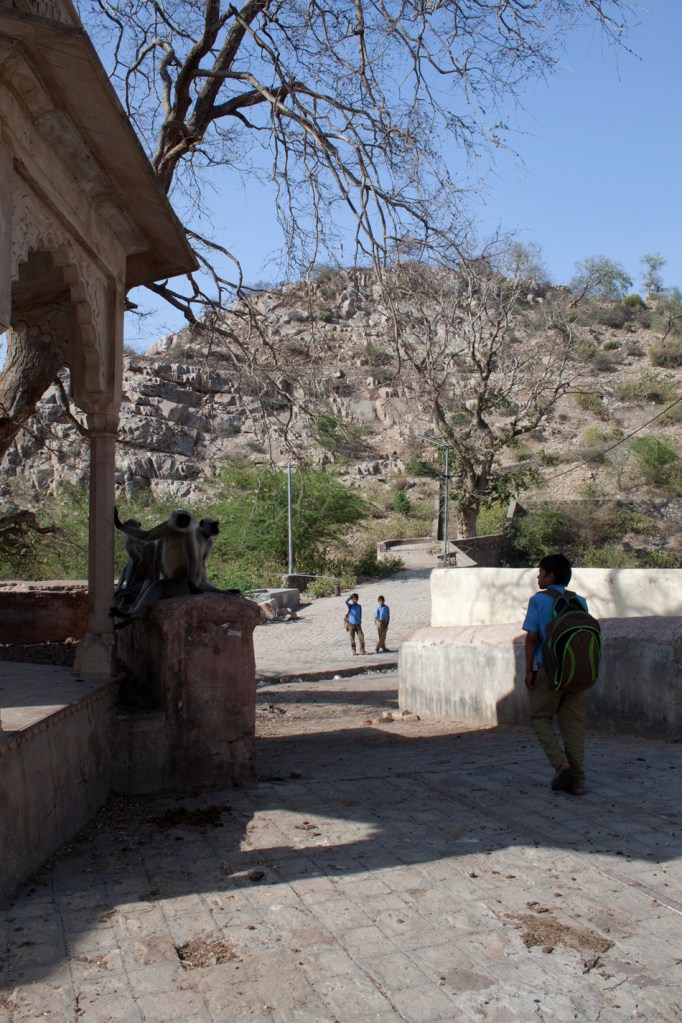
The sultry afternoons were, and still are, lazy, and many folks kept cows, buffaloes and goats for milk. Langurs guard the gullies, and keep a count of the kids returning from school with their huge backpacks.

Langurs watch the kids returning from school.
Amer, Jaipur, Rajasthan, India

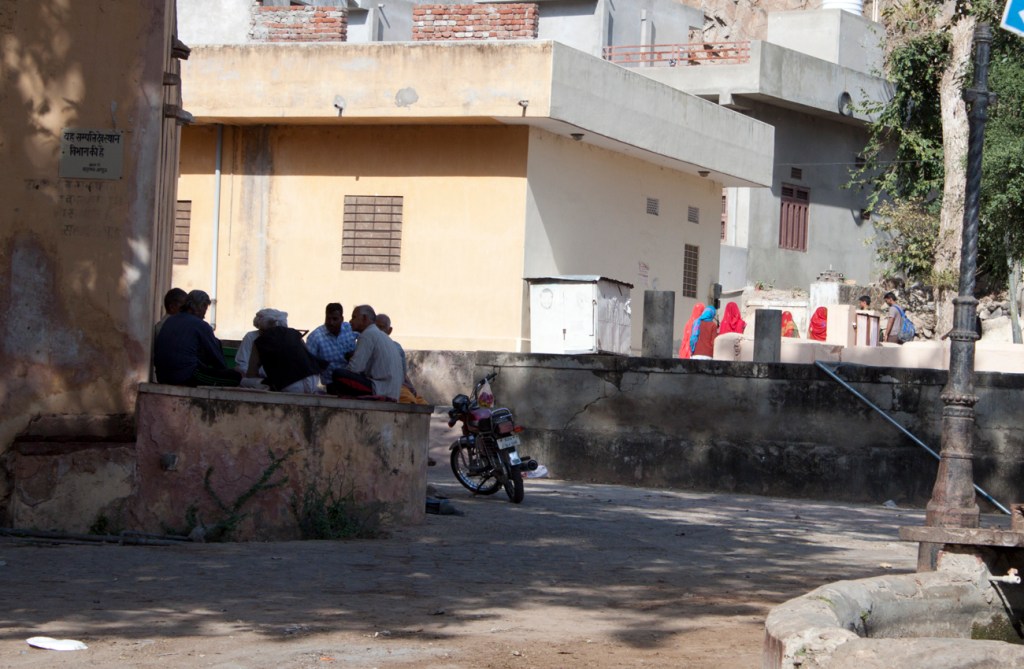
A few women carried hay on their heads for the cattle, while some hung-out to sing desert lyrics, or gossip. The men played card games and smoked bidis and chewed tobacco or paan.

Men play card games, women hang-out to gossip, and kids return from school.
Amer, Jaipur, Rajasthan, India

Once in a while an object comes into sight that makes the time we are in apparent. My camera being the biggest reminder, of course.

It takes them a while to acclimatise to my presence . These people do not like their privacy being invaded. It is very difficult to photograph women facing the camera with their veil completely lifted. I speak their language, and yet…

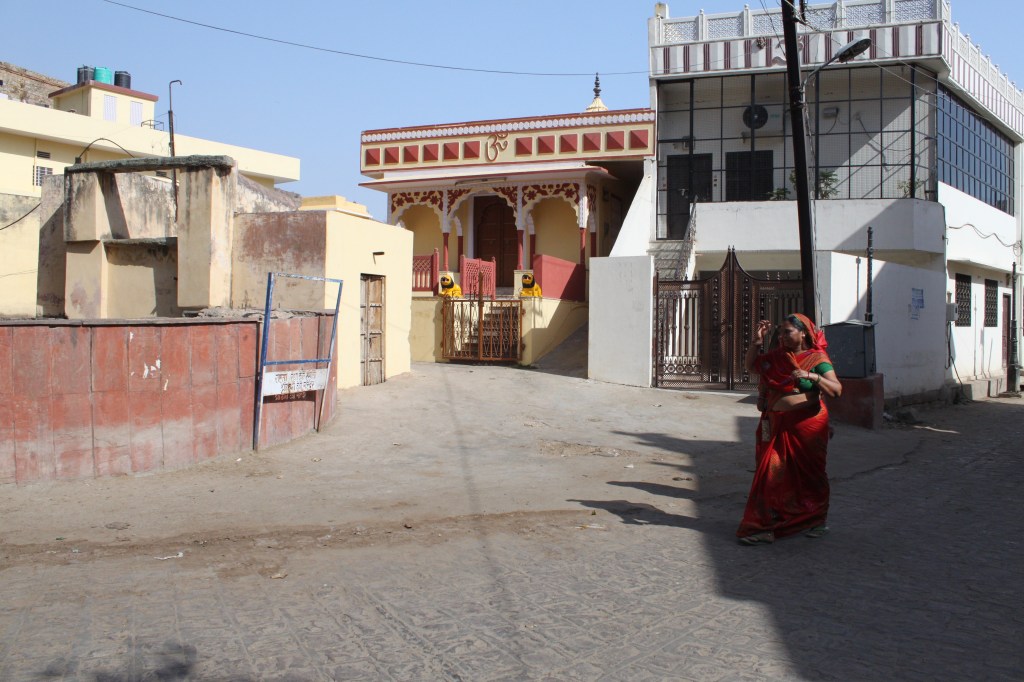
Woman in a red sari.
Amer, Jaipur, Rajasthan, India.
Woman in a neon-orange sari.
Amer, Jaipur, Rajasthan, India
An old mansion falling apart.
Amer, Jaipur, Rajasthan, India

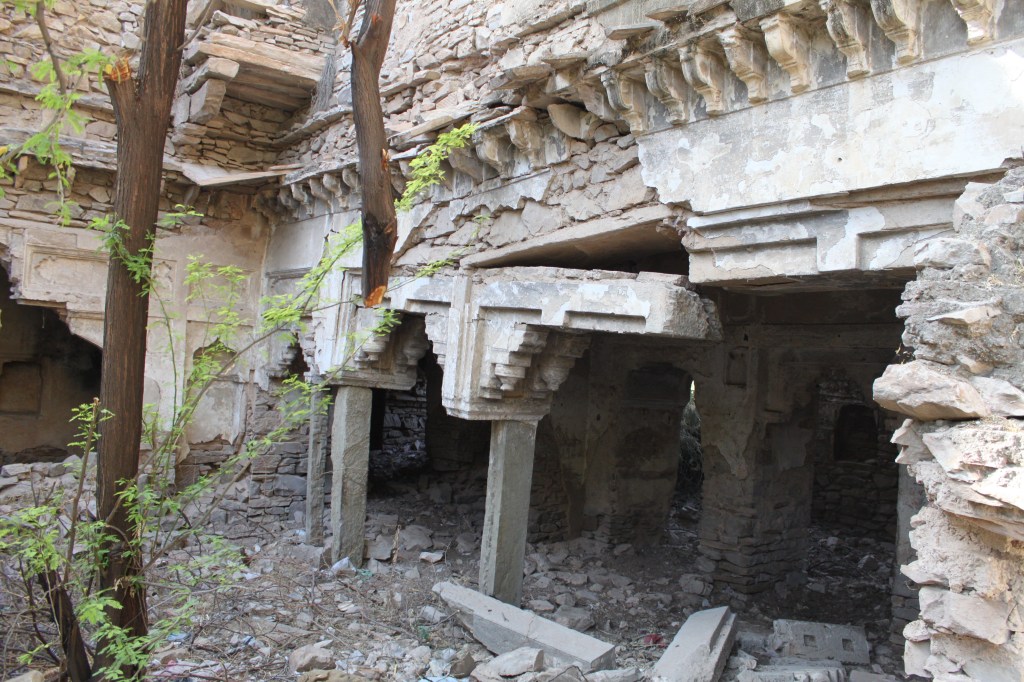
Many grand old mansions that belonged to the aristocrats are now in a crumbling and uninhabitable state. The families and their grandeur have long gone and, despite a shortage of good living space for people, these mansions are allowed to wither away.

But the Khejri tree indiscriminately thrives in every quarter.

Khejri Tree – State tree of Rajasthan.
Amer, Jaipur, Rajasthan, India.

I take my time. I am in no rush. I carry my heavy camera in the sweltering afternoon, walking miles, striking conversations with those I walk past, ensuring they realise I am one of them, that I just wear different clothes.

I long to return.

Cocktail in New York. Pheras in Paris.

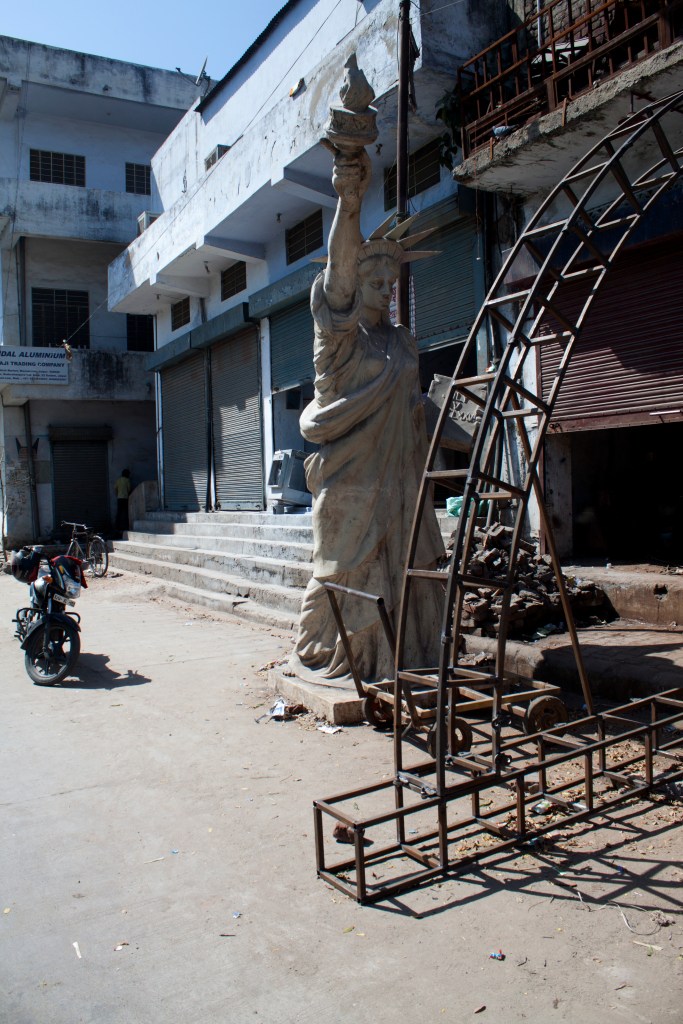
My family and myself were in a car driving through the lesser known streets of Jaipur. There were shops alongside residential areas — greengrocers, motorcycle repairers, barbers, stationers, street vendors, metalsmiths and stonemasons. Building smaller replicas of famous statues and other landmarks seemed to be the side business of the metalsmiths and stonemasons combined, as I saw quite a few statues scattered, part finished, part unsculpted.

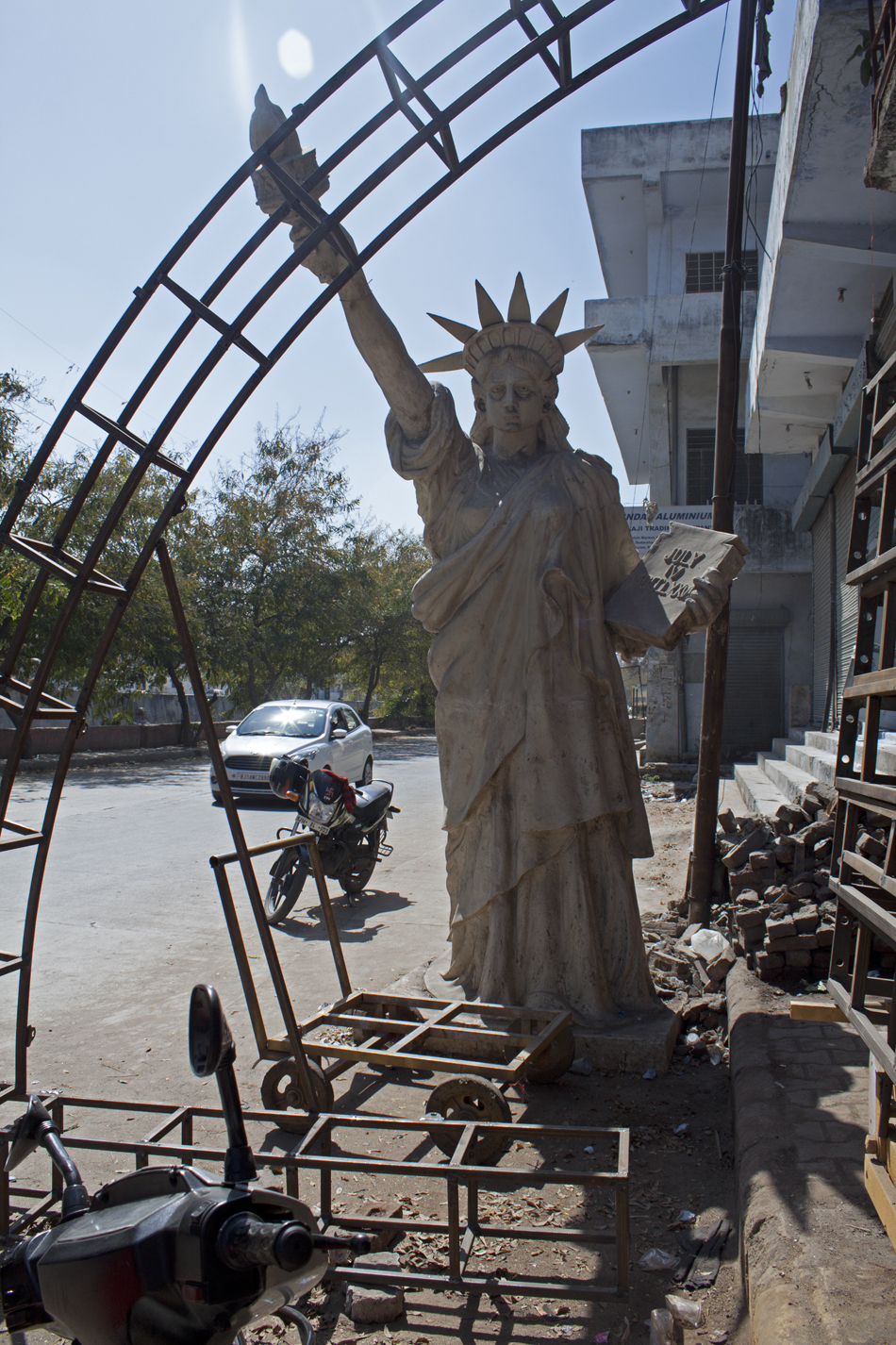
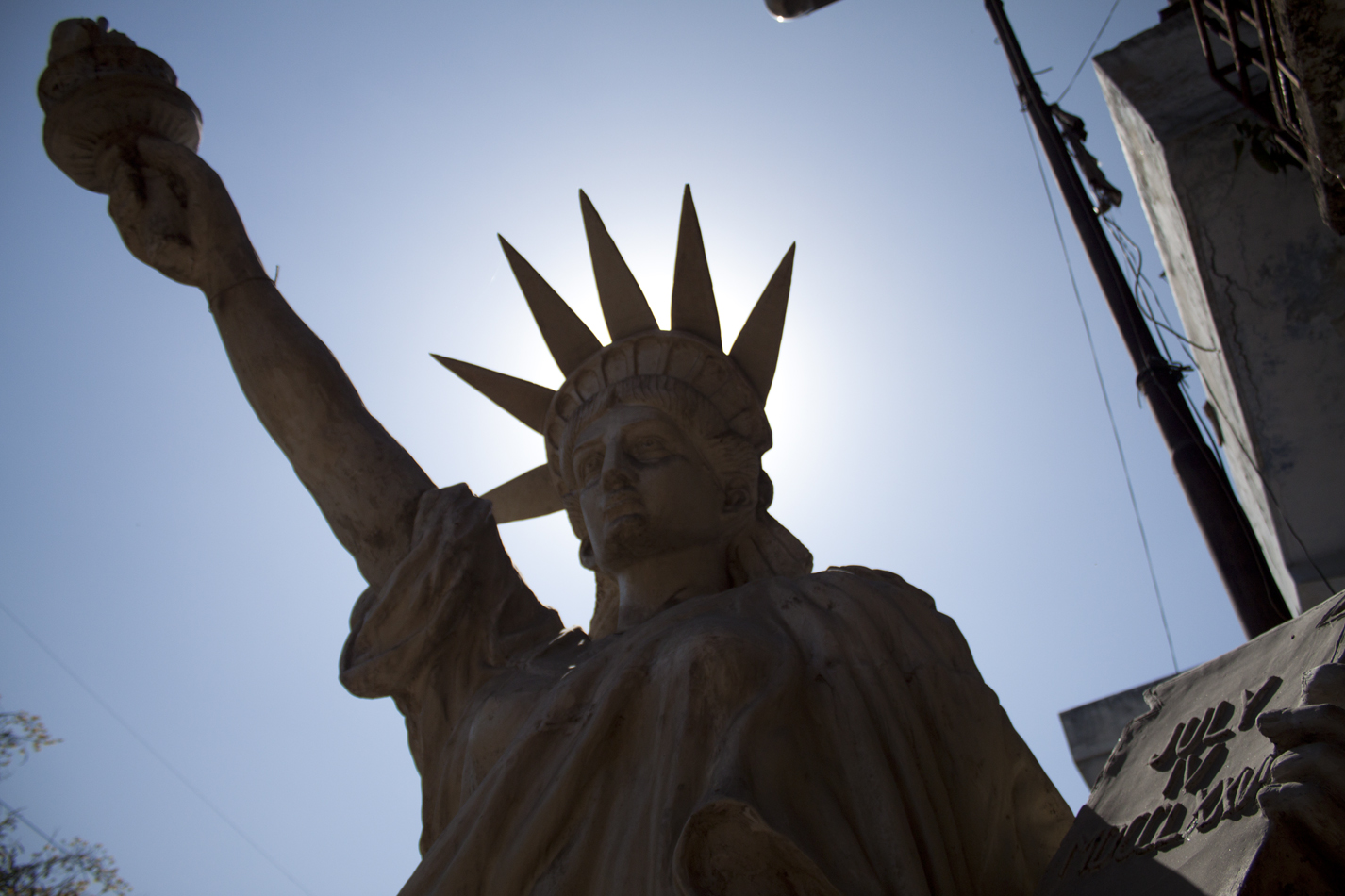
Libertas, that attracted millions of visitors daily in the West, had almost zero admirers on that street. She stood on a shoddy unpaved muddy sidewalk in 48°C (118.4°F).

We were instantly amused, but also bemused. What was that statue doing there? There was clearly a demand for these. In the habit of always carrying my camera, I got off the car to take a couple of photographs. The men on the site found my actions as hilarious as I found theirs.

I asked where the statue was going. “It’s for a wedding.” It saddened me to learn that these men on meagre wages were building these enormous figures for an evening party. “What pleasure exactly could be derived from these cheap replicas that cost many times more than those workers’ combined monthly wages?” I wondered. “Were they trying to fake the location through these?” “Were the business families uploading the party videos on YouTube, captioned, ‘Cocktail in New York’?”

What next? A demolition party? Where do these statues go? Submerged into the waters like Kali and Ganesha? But this is the desert state – so, no sea. Recycled? Maybe! There might just be a second-hand market for these for smaller budget weddings. Who knows!

I never found out.

Later that evening, just when my camera packed up (probably due to the heat), I saw an Eiffel Tower in the middle of a garden in an affluent residential area. The bungalow was getting ready for a wedding (one can tell of the nature of the event from the extent of the embellishments). That was definitely a wedding.

I bet there is a YouTube video of the pheras in Paris.

In my next trip, I would like to know of the fate of these non-permanent structures.

My Imaginary World

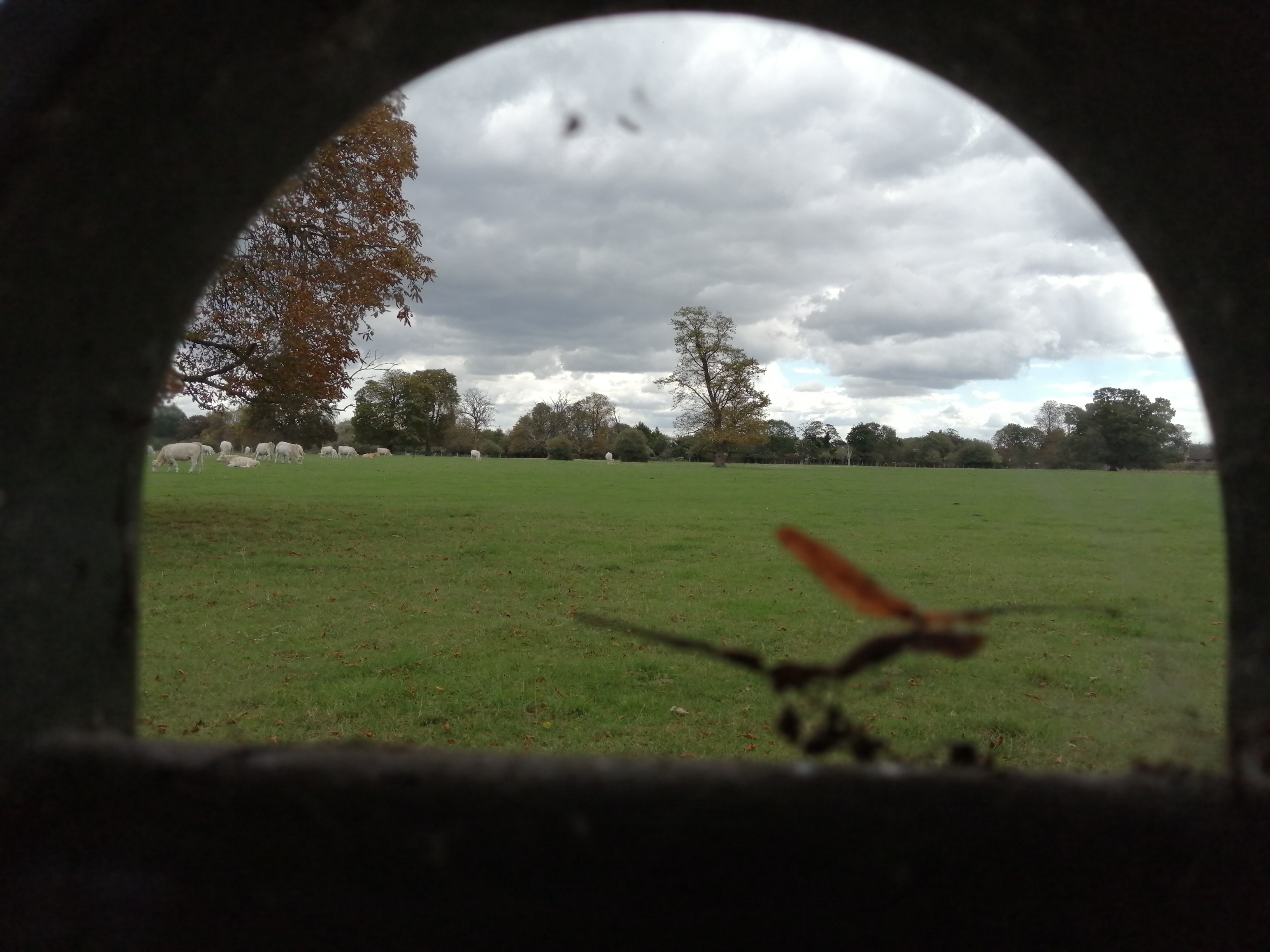
I’m imagining my world to be just that view.

The world with the sky in it.

The world with the birds in it.

The world with the butterflies in it.

The world with the Sun in it.

The world with green grass in it.

The world with many trees in it.

The world with cattle in it.

The world with rain in it.

The world with air in it.

The world with the moon in it.

The world with the stars in it.

The world with no people in it.

The world with just me in it.

Me, my thoughts, my feelings, my emotions, my life, changing with the changing season.

My world locked in them.

…… Sapna Dhandh Sharma
Spiritual Encounter

Stonehenge, Wiltshire, England

Car journeys usually start at the break of dawn. London to Wiltshire was one such. Food, music, conversations, family – a potent mix of jollity. Few hours went by in a jiffy.
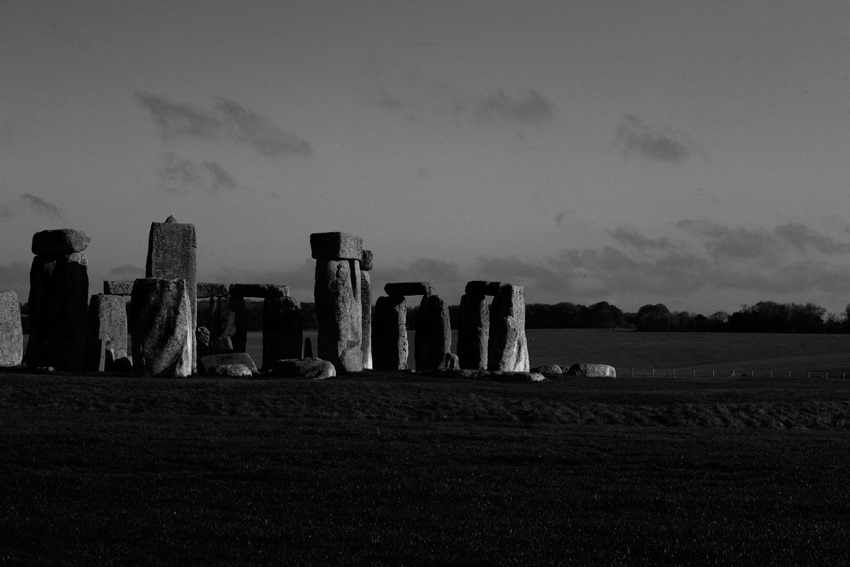
Stonehenge, a disappointment at first sight, but mesmerising on closer experience.

There is nothing instantly obvious to admire. Couple of very large stones erected in an English countryside. But you stand still for a while. Stare straight at the stones. You suddenly begin to feel them transcending their physical outfit to provide a spiritual encounter.

For thousands of years, Stonehenge has remained an enigma.

According to folklore, Merlin, wizard of the Arthurian legend, created the site with the help of giants who transported the stones from Ireland. There are some fascinating modern-day interpretations of the structure, from it being a site built by aliens, probably as their landing site, to it being a place of Druid worship. Some see the stones laid in the shape of female genitalia – as a giant symbol of fertility.

“Stonehenge” — whatever the reality, however it came into existence, wherever it came from, whoever built it – the less we can substantiate its origin, the more we will be drawn to its mysteriousness.

If stared at long enough, the spirits start to communicate. They possesses you.

– Sapna Dhandh-Sharma